What we've made so far
Two products that are live, and two game packs you can play as prototypes. All four are ours, you can try every one before you talk to us, and most of what's below comes straight from their design folders.
Sabrina
A spelling game for 5 to 11 year olds
Children hop across an island a few minutes a day, one place for each spelling pattern. Every attempt is lined up against the word sound by sound, and the kind of mistake decides what comes back and when. Teachers see which rule each child is stuck on, and get a five-minute idea for re-teaching it.
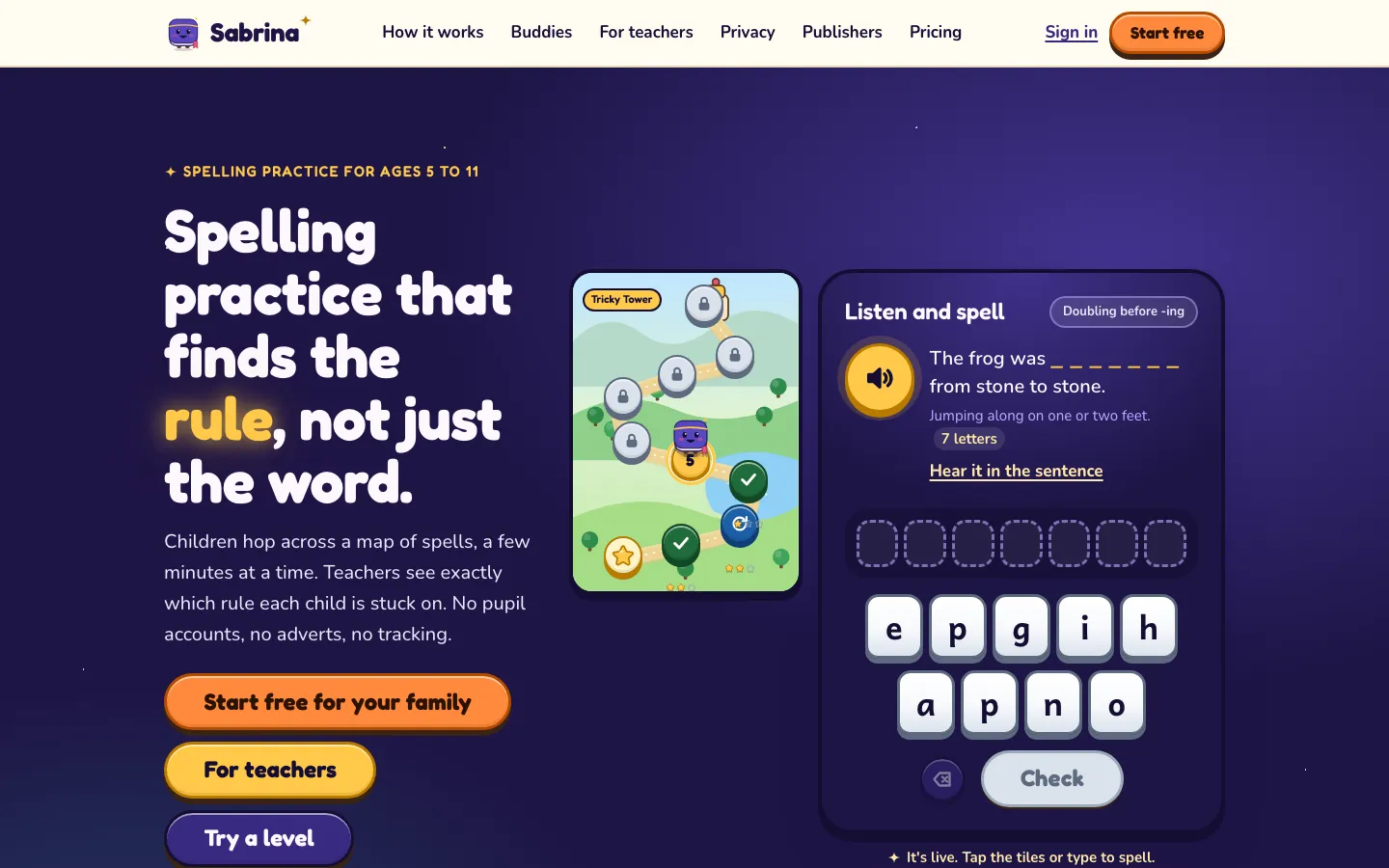
Feedback that names the part
A near miss isn't a wrong answer. The engine counts the sounds that are right, points at the one that isn't, and shows the rule in words a seven-year-old can read. The button says "have another go", never "wrong".
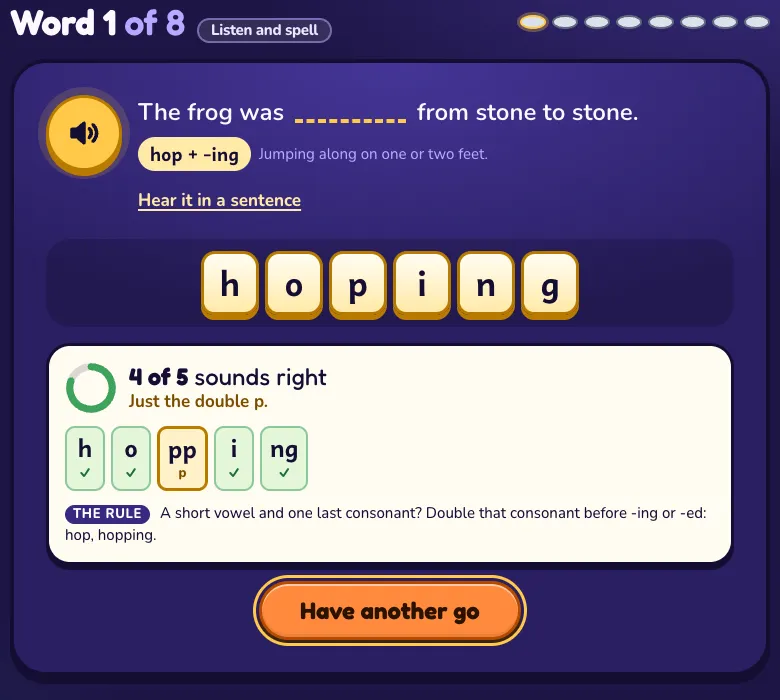
- What's right comes first: four of five sounds.
- It points at the part: just the double p.
- The rule, written for the child, not the teacher.
- Have another go. No red crosses.
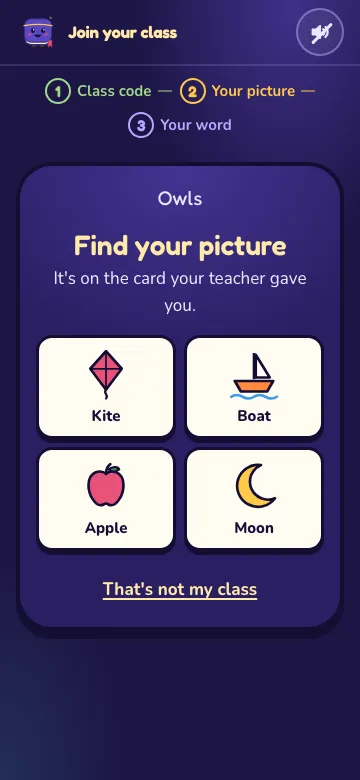
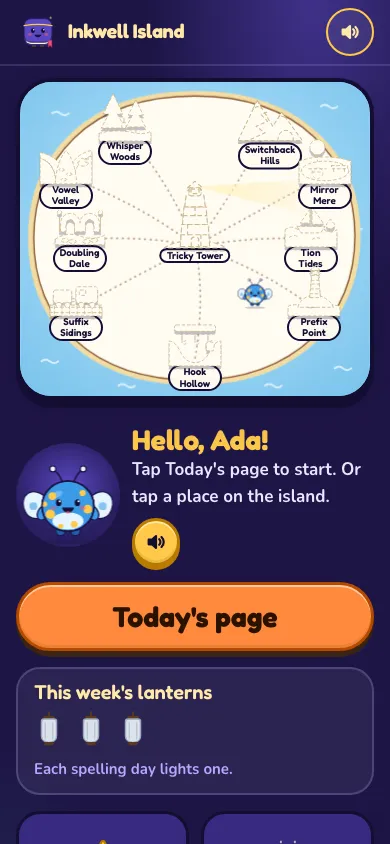
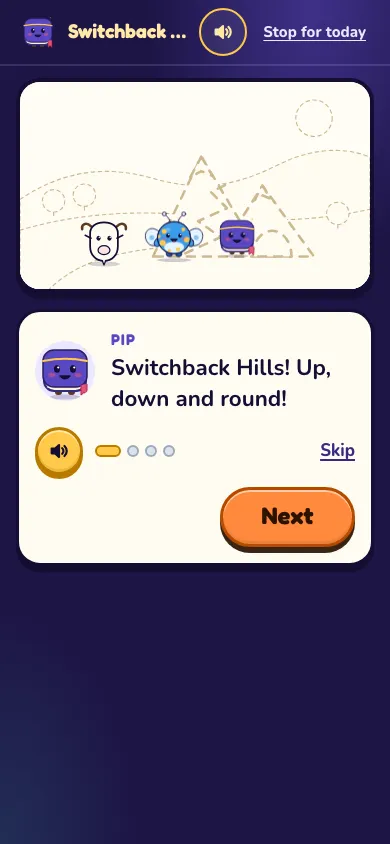
Children join with a class code, a picture and a secret word. Nobody types a name.
What the teacher sees
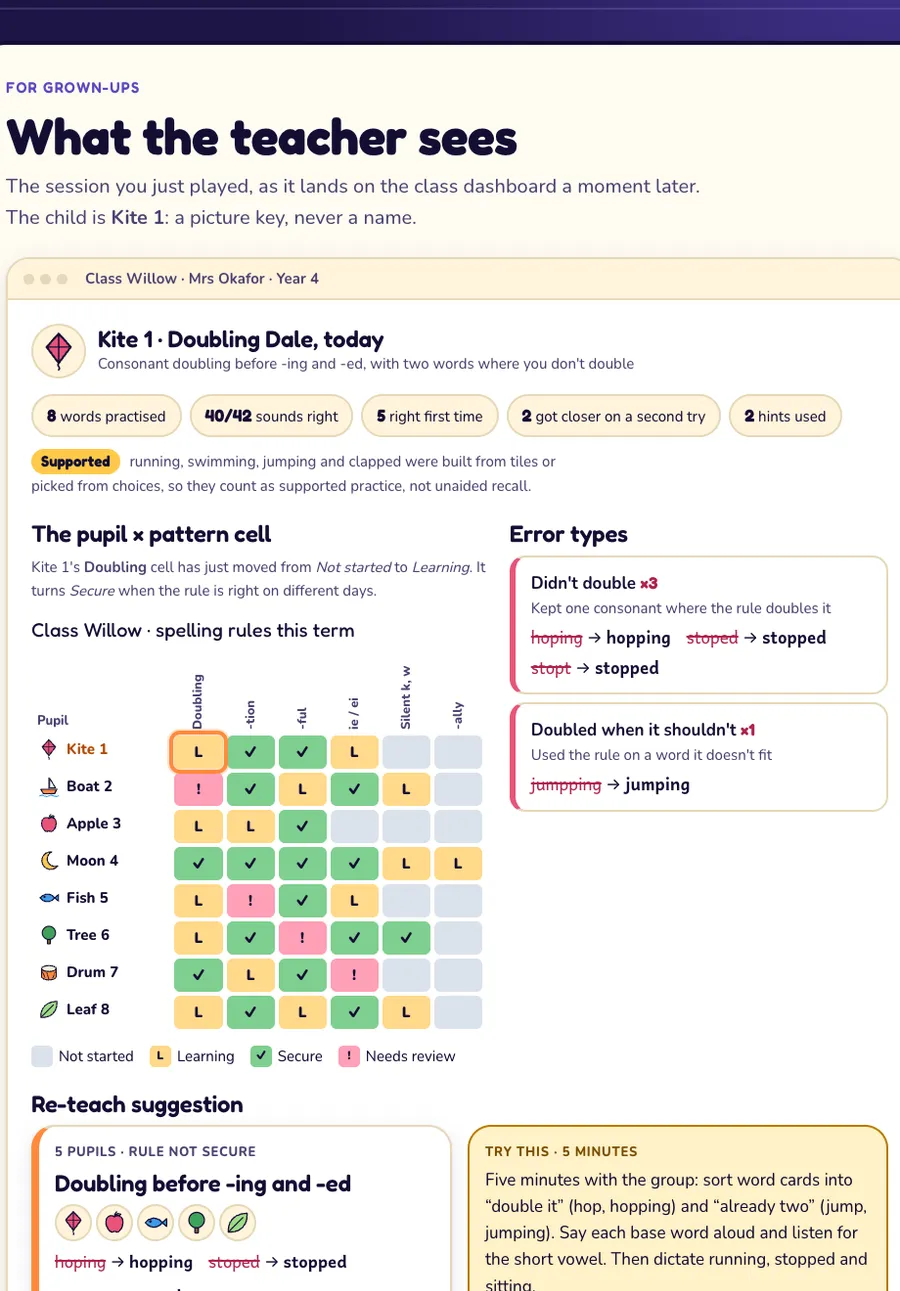
A grid of pupils against spelling rules, the kinds of mistake behind each cell, and a suggestion for the next five minutes of teaching. Children are shown by their picture key, never by name.
- 2,374 words, each with a sentence written for a child to hear
- 116 spelling patterns across 10 places on the island
- Words come back after a few days, then a week, then a month, just before they'd be forgotten
Two directions, both kept
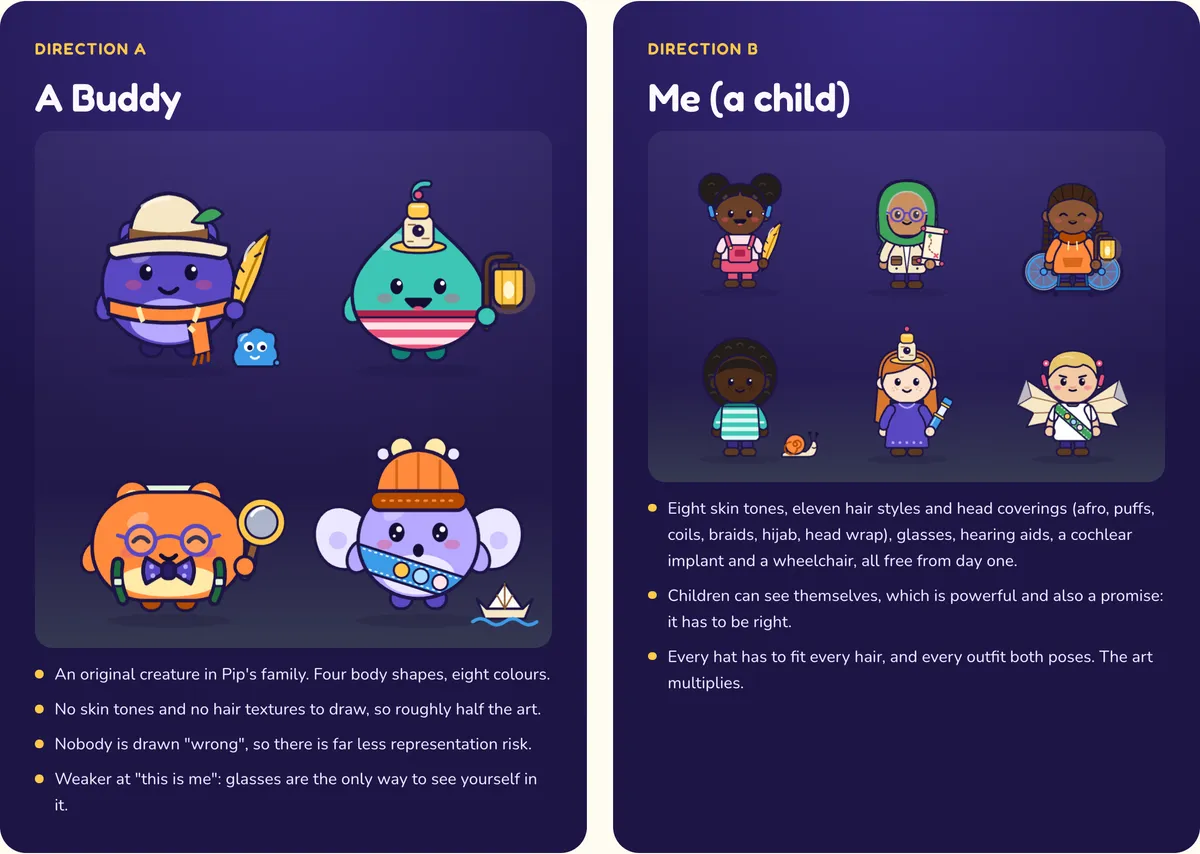
For the avatar we drew a creature and a child like you. We kept both, because they do different jobs: a buddy is safe to be silly with, and a child avatar lets a child see themselves. Which meant every hat had to fit every hair, in both poses.
Buddies
Characters and learning rewards, as parts
The avatar kit from Sabrina, pulled out so any children's product can use it. Children make a buddy, or a little version of themselves, and can earn keepsakes as they learn. Plenty of products just want the characters, so rewards are optional.
Go on, shuffle it
This is the real renderer, running here. 19 bodies and 170 things to wear or hold, drawn in code from one art system, which comes to about 289.3 quintillion looks.
Every press is a new one.

Who you are is never a prize
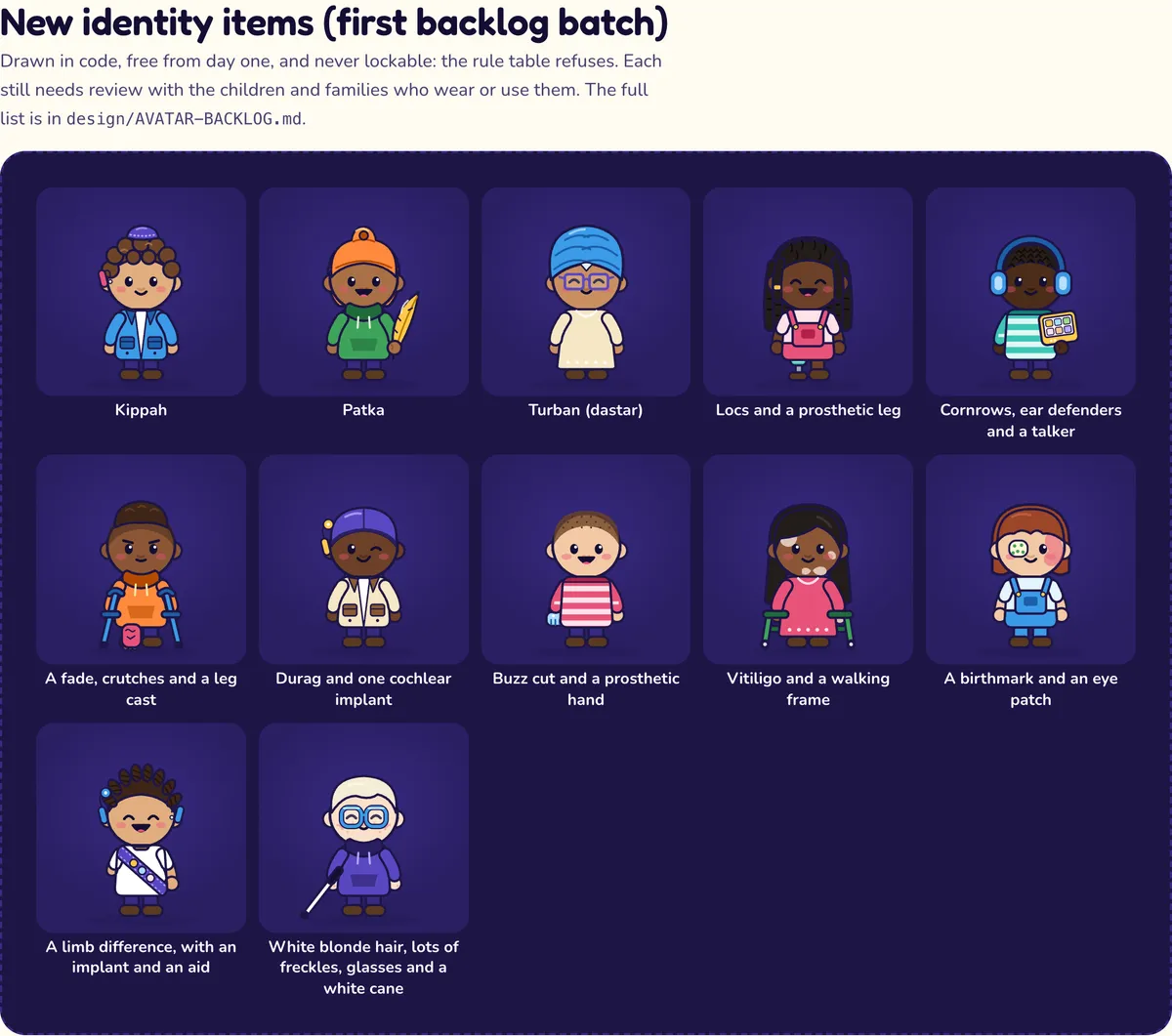
Skin tones, hair, head coverings, glasses, hearing aids, implants, wheelchairs and walking frames are free from the first minute and can't be locked, whatever rules a product sets. There are 84 of them so far, and a new one isn't final until children and families who wear or use that thing have seen it.
Three ways in
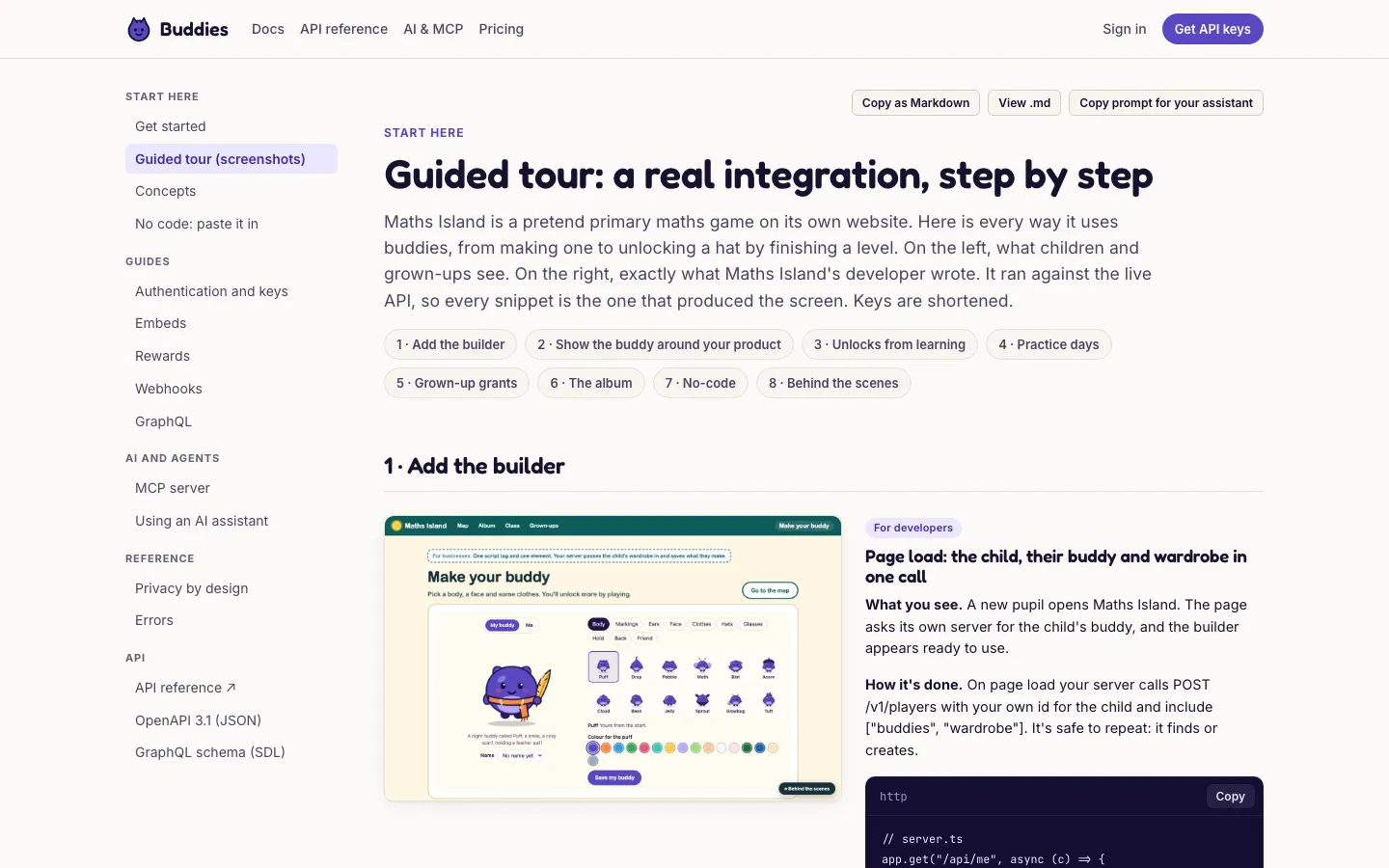
A paste-in snippet for a marketing site, a drop-in element for a web app, or the API for developers: REST, GraphQL, and an MCP server so AI assistants can wire it up. The guided tour shows every step next to the code that does it.
There's also a free certificate maker for teachers and parents, with nothing to sign up for. Make a certificate ↗


Soundline Rally
A game pack in development. Play the prototype.
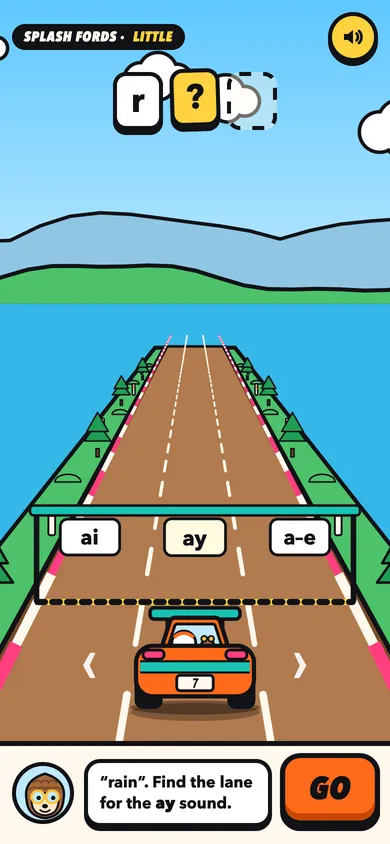
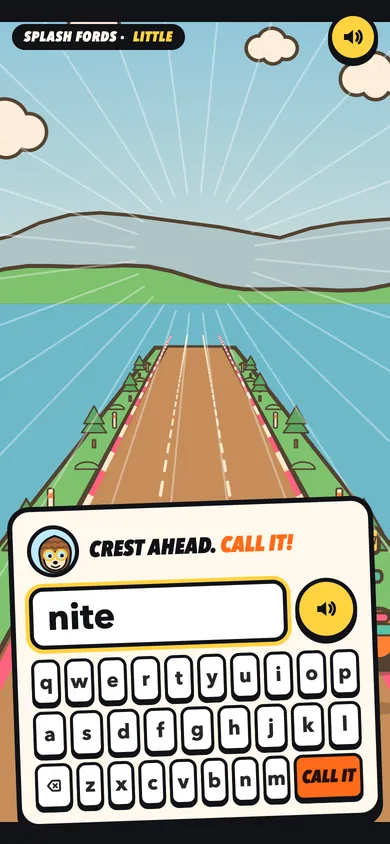
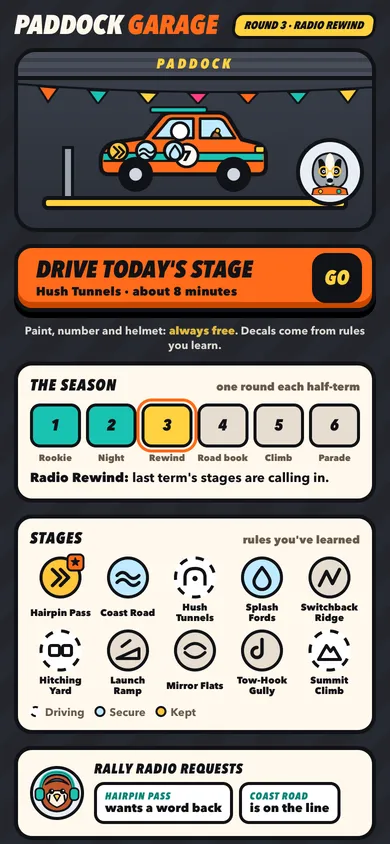
A rally game on Sabrina's engine. Nib, a pangolin co-driver, calls each word. The child swipes into the lane with the right spelling of the tricky sound and hits GO. At the crest the world goes into slow motion and the whole word is typed from memory, the way a driver takes a pace note.
It isn't in Sabrina yet. So far it's a design, a set of concept screens and a prototype that runs in a browser, on a phone or with the arrow keys.
Play the prototypeFour words, about two minutes
Every lane is a real spelling
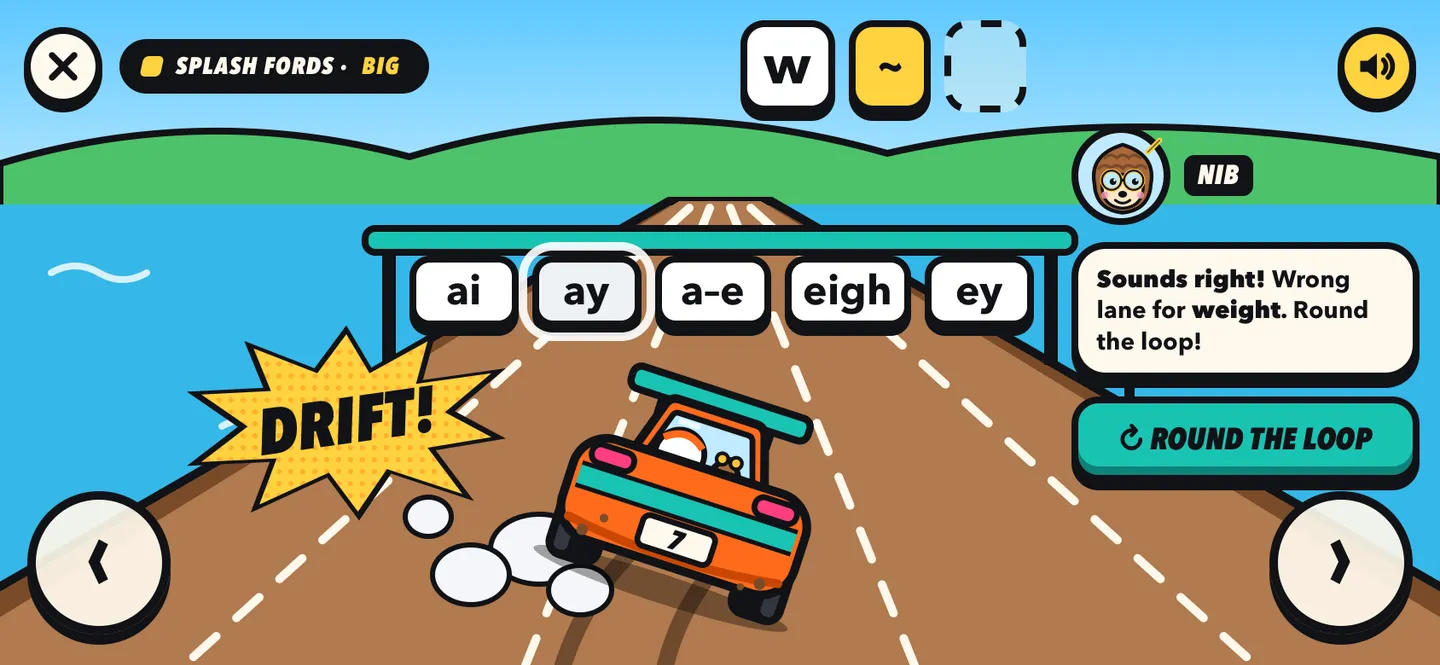
A gate only ever offers real ways to write that sound: ai, ay or a–e for the sound in rain. A misspelled word is never on screen. Choose a lane that sounds right but isn't, and the car drifts round the loop for another go. Nothing is timed. The road waits at every gate.
- Lane runs count as practice with help. Only the typed pace note counts as remembering.
- The same planner, marking and memory as Sabrina. Only the view and the controls change.
- Calm road for children who ask their device for less motion: no speed lines, no shake.
A louder world, on purpose
Sabrina's island is calm gouache and ink. The rally is cel-shaded, with thick outlines, speed lines and comic sound effects, for children who want more go. It's the same engine underneath, with a different world drawn on top, and that's the point: one engine can carry a lot of different games.
Swipe to change lane, swipe up to go. One thumb, no timers.
Sparkworks
A game pack in development. Play the prototype.
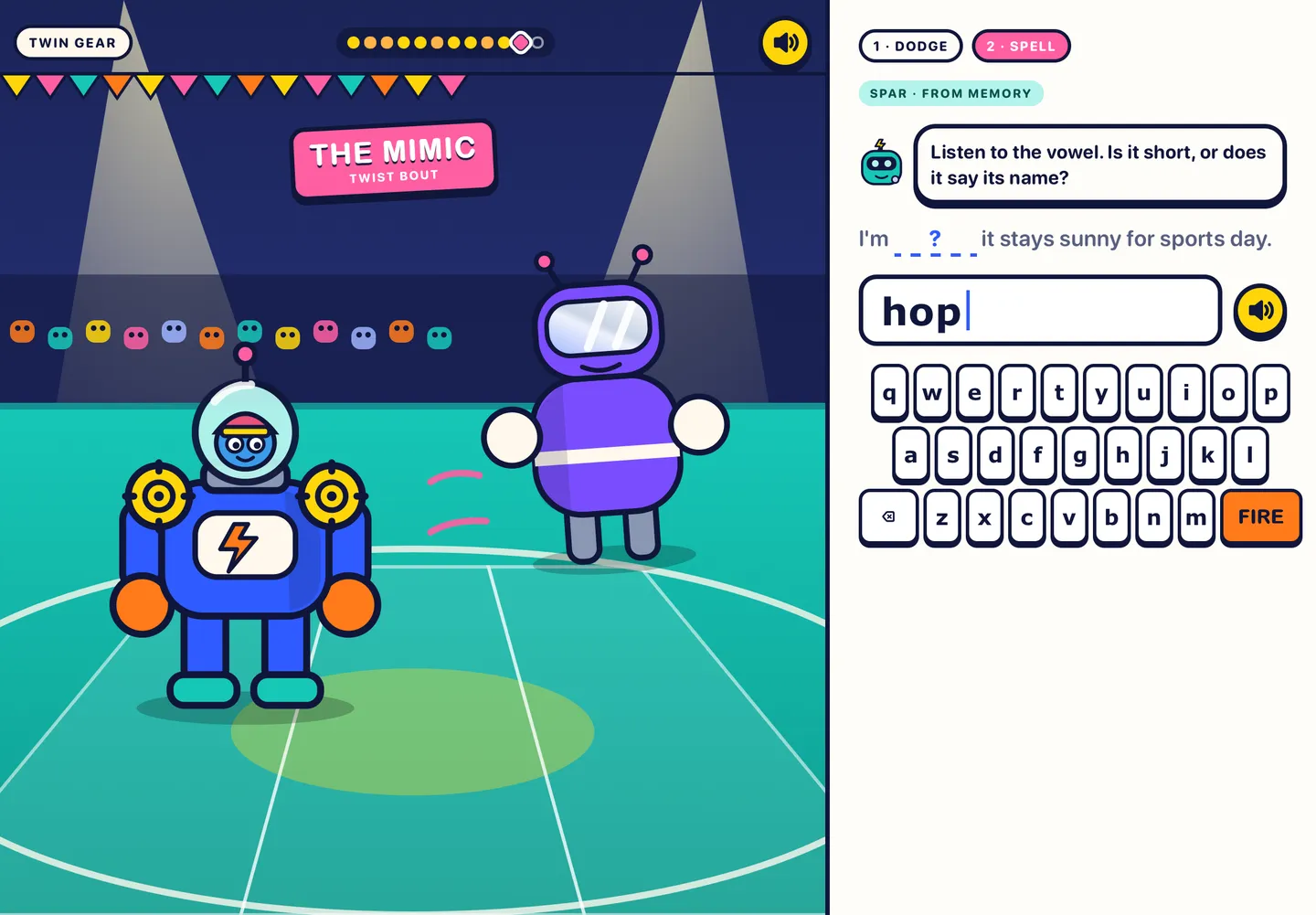
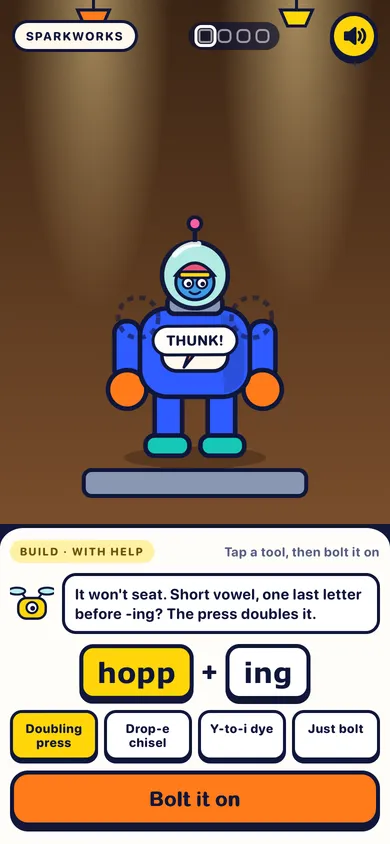
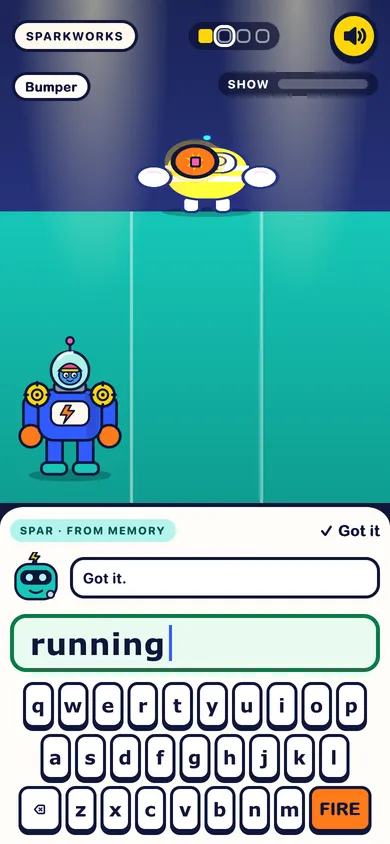
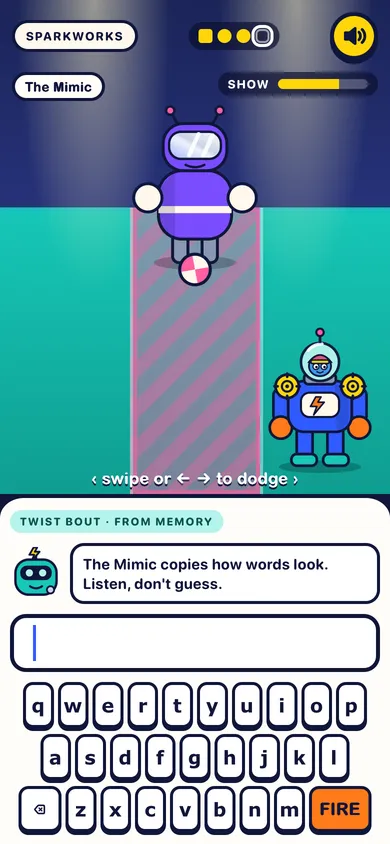
Build a mech in the Forge, then spar with foam training bots in the Spark Ring. New words are built from their parts with help: the Doubling Press turns hop into hopp before -ing. Words a child already knows are typed from memory, and each one lands a combo.
Like the rally, it's a design, concept screens and a playable prototype, not yet part of Sabrina.
Play the prototypeA forge build and three bouts
With help, or from memory, and you can see which
The Forge is warm lamps and workbenches, and it's where words are built with help. The Ring is floodlights and a painted floor, and it's where words are remembered. A child can see and feel the difference between the two, and the engine records them differently.
It's action-paced, but it's sparring, not fighting. The bots are padded, a missed dodge goes "boing", and every bout ends with a bow. A near miss on the doubling rule sends the bot sidestepping and names the rule. It never takes anything away.
Want one of these for your subject?
Every one of these started as a question about how children learn. Bring us yours.